
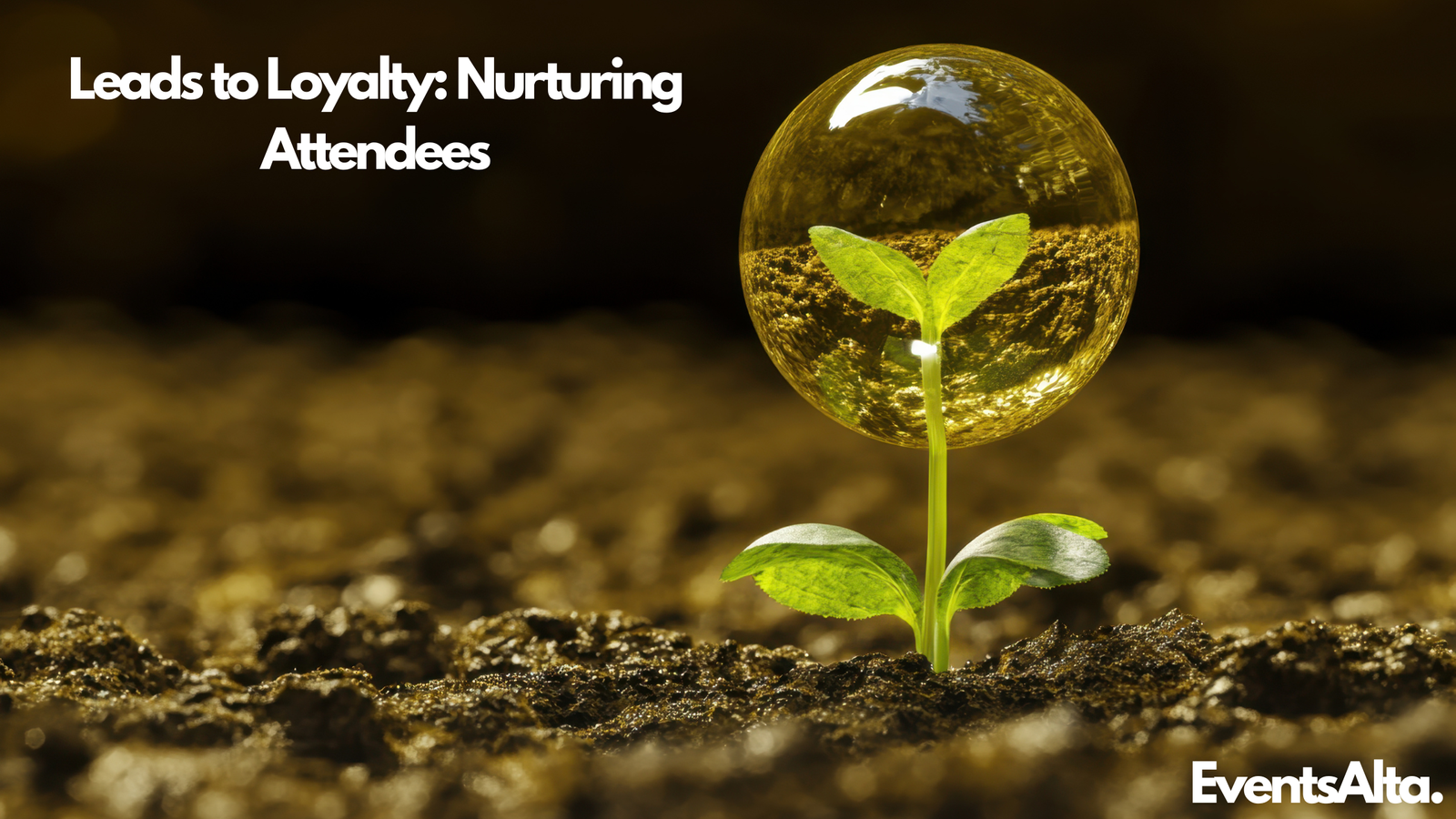

Best Practices for Turning Event Attendees into Long-Term Clients
Events are no longer just moments in time — they are strategic opportunities to build long-term relationships. Every business seminar, product launch, or conference serves as a powerful lead-generation channel, but what happens after the event determines whether those leads convert into loyal clients or fade into the background.
Converting attendees into enduring advocates requires a deliberate post-event strategy that prioritizes relationship-building, personalization, and value delivery. This article outlines best practices and proven tactics for nurturing event attendees beyond the closing keynote — transforming one-time participants into lifelong partners and brand champions.
1. The Post-Event Window of Opportunity
The first 48–72 hours following an event are crucial. During this time, enthusiasm is high, brand recall is fresh, and attendees are still reflecting on their experience. Delaying engagement often results in lost momentum and diminished conversion potential.
Best Practices:
- Send a thank-you email immediately after the event, expressing genuine appreciation.
- Include event highlights, photos, or key takeaways to reinforce value.
- Provide easy access to recordings, presentation slides, or additional resources.
This initial outreach should not be a sales pitch. Instead, it should focus on gratitude and value reinforcement — reminding attendees why their participation mattered.
2. Segmenting Attendees for Personalized Follow-Up
No two attendees have the same objectives or engagement levels. Treating everyone with a one-size-fits-all approach leads to missed opportunities.
Start by segmenting your attendee list based on criteria such as:
- Job title or industry
- Level of interaction during the event (e.g., session attendance, booth visits, Q&A participation)
- Stage in the customer journey (prospect, existing client, partner, etc.)
Once segmented, craft personalized communication flows. For instance:
- Leads showing buying intent may receive product demos or consultation offers.
- Passive attendees may get educational content to rekindle interest.
- Existing clients can be invited to exclusive post-event webinars or loyalty programs.
Personalization increases engagement and makes attendees feel seen and valued — a foundational step toward loyalty.
3. Leveraging Event Data for Targeted Engagement
Modern event platforms and CRMs capture extensive attendee data — from check-in patterns to content preferences and engagement metrics. This data, when analyzed effectively, can shape post-event strategies.
Utilization Examples:
- Identify which topics generated the most engagement and design follow-up content around them.
- Track booth or session attendance to match leads with relevant product offerings.
- Use feedback surveys to understand pain points and tailor future communications.
Data-driven insights ensure that post-event outreach is relevant, timely, and meaningful, significantly improving conversion rates.
4. Extending the Event Experience Digitally
The event should not end when attendees leave the venue. By extending the experience digitally, brands can sustain engagement and reinforce their authority.
Best Practices:
- Host post-event webinars featuring top speakers or panelists.
- Create a private LinkedIn or community group for attendees to continue discussions.
- Publish event recaps or highlight videos on your website and social channels.
- Offer on-demand access to sessions or bonus content.
This extended engagement fosters a sense of belonging and community while maintaining visibility long after the event concludes.
5. Delivering Continuous Value through Content
Content remains one of the strongest tools for nurturing post-event relationships. Attendees who perceive consistent value are far more likely to transition into loyal clients.
Recommended Content Strategies:
- Share thought leadership articles, whitepapers, or industry insights aligned with the event theme.
- Offer exclusive access to eBooks, toolkits, or reports related to session topics.
- Use personalized drip campaigns that gradually educate and nurture leads.
Consistency is key. When attendees repeatedly encounter valuable content from your brand, it builds trust and authority — critical factors in long-term client relationships.
6. Following Up with a Purpose
Every follow-up message should have a clear objective and deliver measurable value. Avoid generic “checking in” emails. Instead, tailor communications to align with the attendee’s interests and needs.
Examples of Purposeful Follow-Ups:
- Inviting attendees to a one-on-one strategy consultation related to their event discussions.
- Sharing a custom case study demonstrating how your solution addresses their specific challenges.
- Offering discounts or early access to upcoming events or services.
A purposeful approach shifts follow-ups from transactional to transformational — fostering genuine engagement rather than forced communication.

Storytelling isn’t just for pre-event promotions — it can help you reconnect post-event too.”
7. Utilizing Automation without Losing the Human Touch
Automation streamlines post-event nurturing but must be balanced with authenticity. Over-automation can make communication feel impersonal and robotic.
Best Practices:
- Automate repetitive tasks such as drip campaigns and reminder emails.
- Personalize automated messages using attendee names, sessions attended, or interests.
- Insert occasional manual check-ins from real team members to add warmth and credibility.
The goal is to maintain consistency while preserving the human element that drives emotional connection.
8. Encouraging Feedback and Dialogue
Attendees appreciate being heard. Post-event surveys and open feedback channels not only improve future events but also strengthen trust.
Feedback Integration Tips:
- Send a concise survey immediately after the event, focusing on both satisfaction and suggestions.
- Offer incentives for completing surveys, such as access to premium content or early registration discounts.
- Publicly acknowledge constructive feedback and communicate improvements made as a result.
When organizations demonstrate responsiveness, attendees feel valued — an essential component of loyalty.
9. Creating Loyalty Pathways and Engagement Programs
Loyalty is not automatic; it must be cultivated through structured engagement programs. Consider designing post-event initiatives that keep attendees connected to your brand year-round.
Examples:
- Ambassador or referral programs that reward attendees for promoting your events.
- Membership communities offering exclusive resources and networking opportunities.
- Tiered loyalty rewards for repeat participants or clients.
These programs transform one-time event participation into an ongoing relationship built on recognition and reward.
10. Leveraging Social Media for Continued Connection
Social media remains one of the most powerful platforms for post-event engagement. It allows for informal, ongoing interaction that keeps your event community active.
Actionable Steps:
- Share post-event highlights, testimonials, and behind-the-scenes content.
- Encourage attendees to post their own reflections using event hashtags.
- Tag and acknowledge participants, speakers, and sponsors publicly.
- Use polls and discussions to sustain community dialogue.
A vibrant social media presence ensures your event lives on digitally — continuously reinforcing brand awareness and loyalty.
11. Turning Insights into Relationship Opportunities
Data gathered through event participation, feedback, and follow-up interactions can reveal valuable patterns. Organizations can use these insights to deepen relationships and tailor future offerings.
For instance:
- If a segment of attendees consistently engages with sustainability-related content, introduce a green innovation track at your next event.
- If a particular workshop led to high satisfaction scores, expand it into a dedicated masterclass series.
Using insights to create personalized, relevant experiences demonstrates attentiveness and commitment — qualities that convert attendees into long-term clients.
12. Aligning Sales and Marketing for Seamless Transition
For post-event nurturing to succeed, marketing and sales teams must operate in harmony.
Best Practices:
- Establish shared metrics for lead quality and engagement scoring.
- Create seamless data handoffs between marketing automation platforms and CRMs.
- Equip sales representatives with event data insights for contextual conversations.
When marketing captures intent and sales follows up with understanding, the transition from lead to loyal client becomes natural and efficient.
13. Reinforcing Relationships Through Future Events
Every event is a chapter in a longer narrative. Invite attendees to return, participate, or collaborate in future experiences.
Effective Tactics:
- Offer returning attendee discounts or early access registration.
- Invite loyal participants as speakers, mentors, or panelists.
- Recognize recurring attendees publicly, creating a sense of prestige and belonging.
Reinforcing continuity makes attendees feel like integral parts of the brand’s ongoing journey, not isolated participants.
14. Measuring Long-Term Impact
Success is not measured solely by post-event sales conversions. Evaluate the effectiveness of your post-event nurturing strategy using a combination of metrics:
- Lead-to-client conversion rate
- Engagement rate across follow-up campaigns
- Repeat attendance at future events
- Client retention and referral numbers
These indicators provide insight into how effectively your organization transforms event participation into lasting partnerships.
15. Building a Culture of Relationship-Driven Events
Ultimately, turning attendees into loyal clients requires embedding relationship-building into your event philosophy. Every touchpoint — before, during, and after the event — should contribute to a consistent narrative of care, value, and partnership.
When businesses view events not as isolated marketing exercises but as relationship accelerators, they unlock a continuous cycle of engagement and loyalty.
Conclusion
In an era where audiences crave authenticity and connection, events present a unique opportunity to create meaningful relationships that extend far beyond the venue. The true measure of success is not the number of badges scanned but the depth of relationships nurtured afterward.
By combining personalization, data-driven insight, consistent communication, and genuine value delivery, organizations can transform fleeting interactions into lasting partnerships.
Every attendee represents potential — not just as a lead, but as a loyal advocate who grows alongside your brand. With thoughtful post-event nurturing, you turn moments into momentum — and leads into loyalty.